StemBond TechnologiesEarly Access

SCIENCE & EVIDENCE

Physical cues. Biological possibilities.

Mechanobiology asks how physical properties and forces influence cell behaviour. In cell culture, substrate stiffness and the extracellular matrix (ECM) interface can contribute to cell fate, identity and function. Start with a biological outcome, then follow the experiment.

START WITH THE INTERFACE

Two things worth keeping distinct.

Stiffness describes how strongly the material resists deformation. ECM attachment describes how matrix proteins anchor to that material; coating stability describes how well they remain attached during culture.

Cells convert mechanical inputs into biochemical responses through mechanotransduction. A defined hydrogel culture substrate makes the physical setting part of the experimental design.

The published StemBond research platform varied stiffness and ECM tethering independently. That helps separate contributions to a biological response; the exact controls depend on the experiment.

Explore the foundational study
Two properties. Distinct questions.A conceptual guide to the published hydrogel platform
01 / MECHANICS

Substrate stiffness

How does the material resist deformation?

02 / INTERFACE

Protein attachment

How are proteins presented and retained?

THE EXPERIMENT

Interpret the cell response.

Read the biological result alongside both the material and its protein interface.

Conceptual diagram, not measured data or a specification for every commercial SENCE configuration.

FOLLOW AN EXPERIMENT

Research questions. Source-led answers.

All research evidence
Discovery3 min read

Restore cell function

Can an aged cell behave young again?

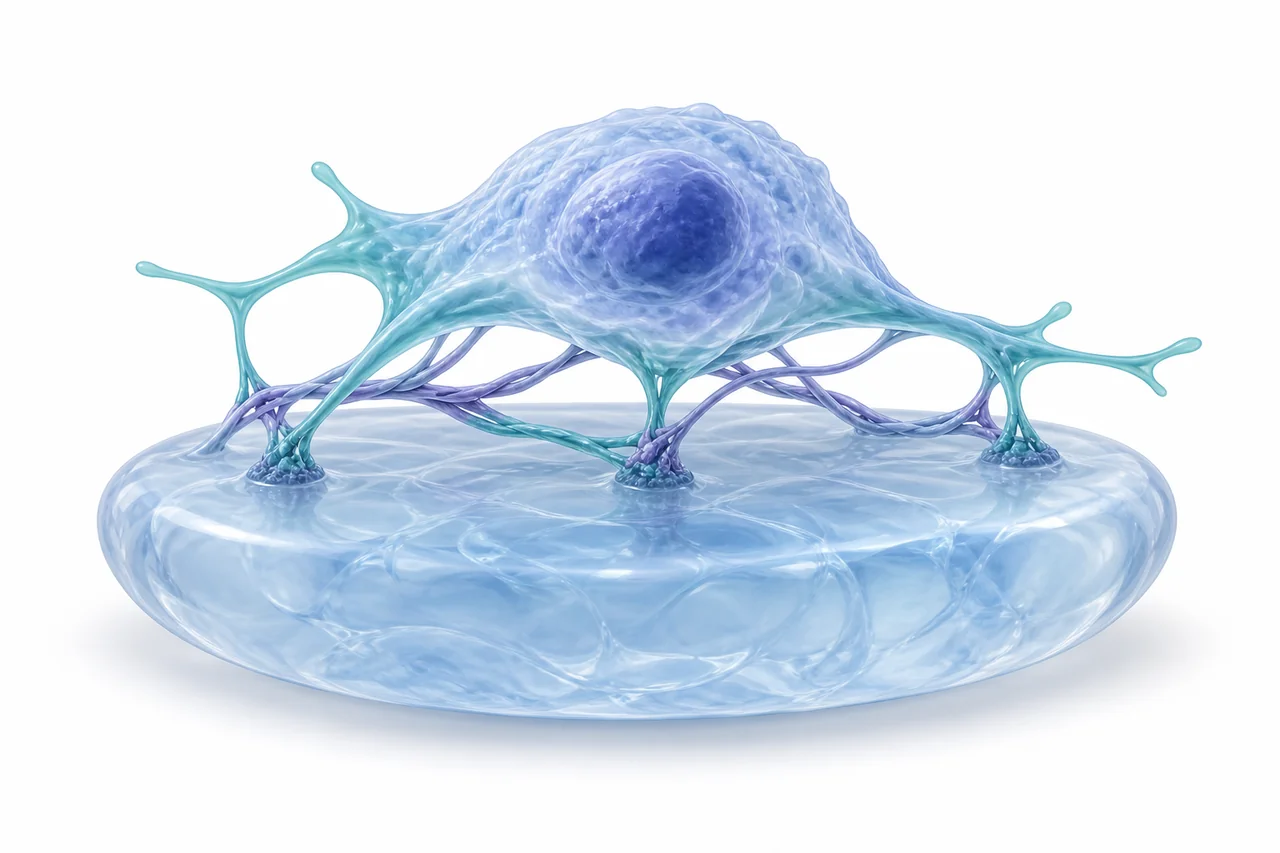
Aged rat brain progenitor cells regained proliferation and differentiation activity on softer research hydrogels. Their surroundings helped determine what they could do.

Rat oligodendrocyte progenitor cells (OPCs)

Discovery5 min read

Preserve stem-cell identity

What helps a stem cell stay a stem cell?

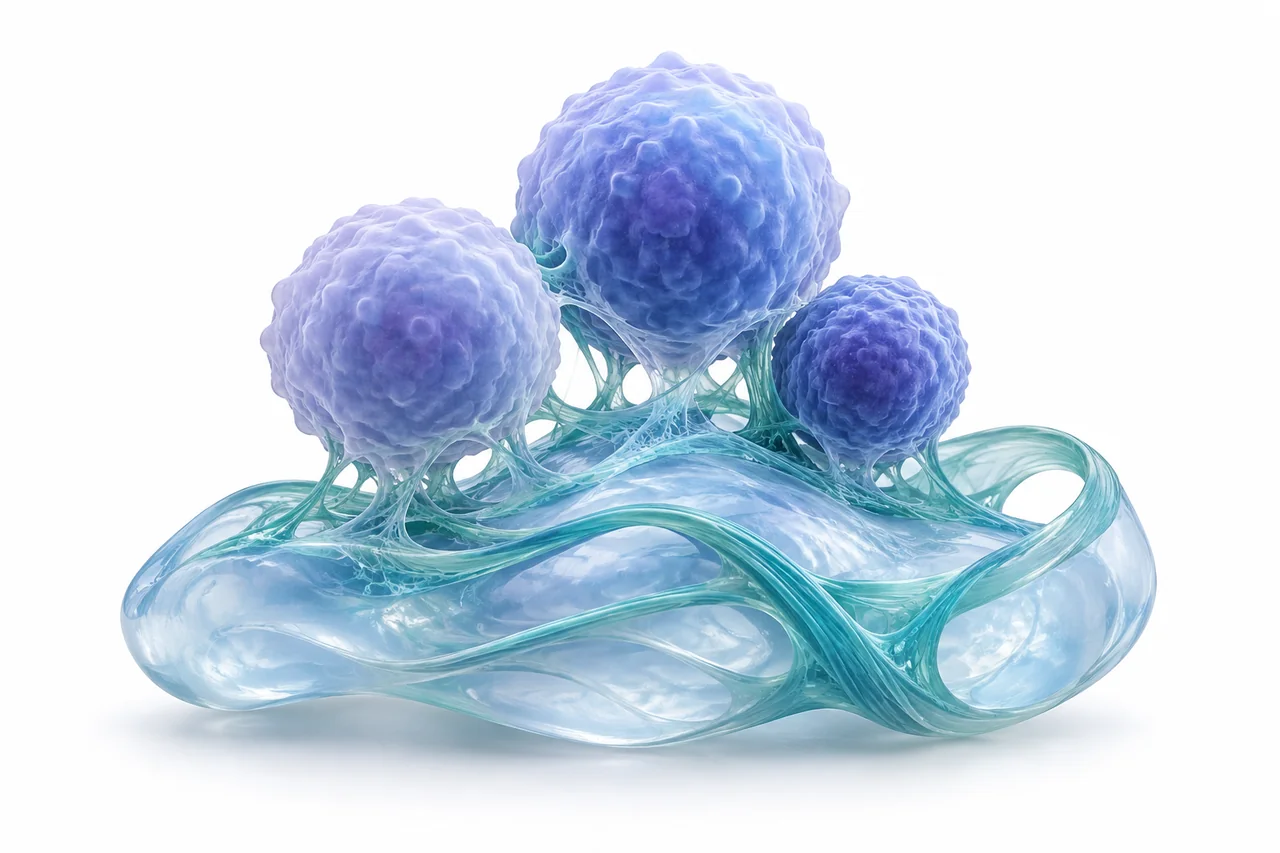
Soft StemBond research hydrogels supported mouse embryonic stem-cell self-renewal in minimal medium conditions where the cells would normally differentiate.

Mouse embryonic stem cells; the broader study also examined human pluripotent cells

Discovery3 min read

Regulate stem-cell expansion

What puts a brake on unwanted stem-cell expansion?

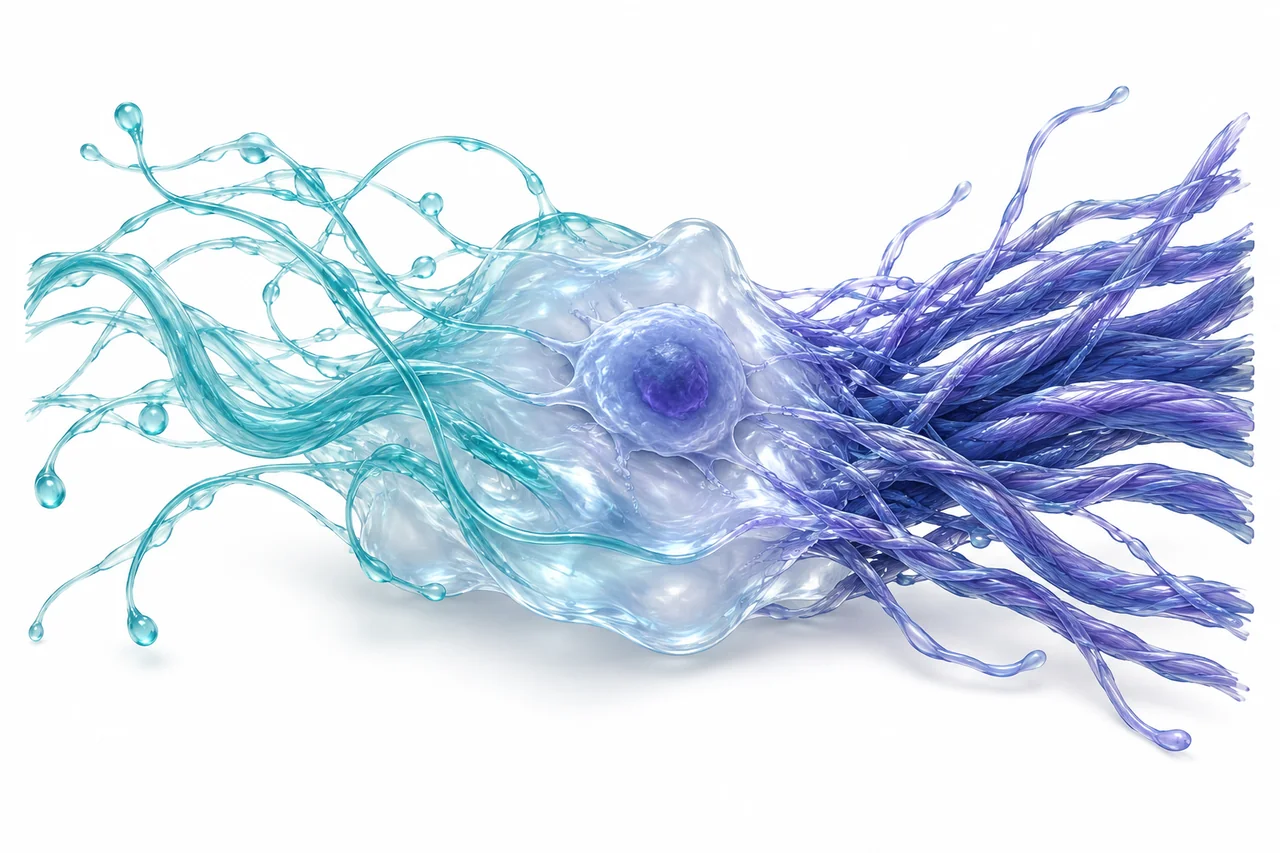
A matrix protein anchored to research hydrogels reduced an expansion advantage in Tet2-mutant mouse blood stem cells. The same protein on plastic did not produce that effect.

Tet2-mutant and wild-type mouse blood stem cells

Discovery4 min read

Understand repair responses

Why does one wound regenerate while another scars?

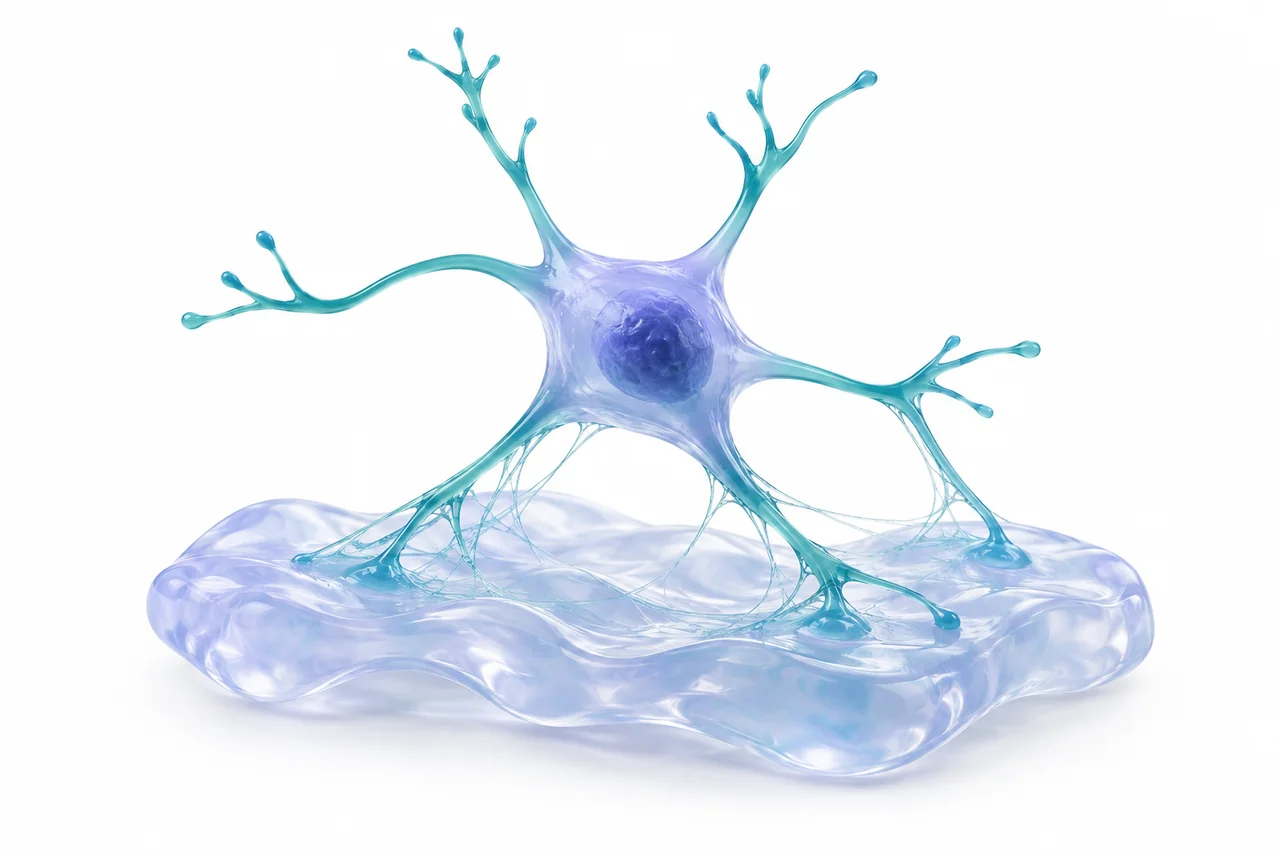
Soft research hydrogels strengthened mouse fibroblasts’ response to BMP-7, helping reveal how a wound’s physical environment can shape repair signalling.

Mouse dermal fibroblasts and digit-tip research

Each story identifies the biological model, the published research system and the limits of the finding.

WATCH / 3:41

Make the physical environment part of your experiment.

How do cells respond to the mechanics beneath them and the proteins they encounter? See how SENCE brings stiffness, ECM choice and attachment into a controlled comparison.

Watch with transcript
3:41 · 1080p

Open film in its own viewer

NEW TO HYDROGEL EXPERIMENTS?

Start with the question. Know what to look for.

Separate the material, its protein interface and the measured biological result. Our reading guide explains the questions to ask of a study.

Read the guide

START WITH YOUR QUESTION

What could the right conditions reveal?

Tell us about your cells, your question and your current workflow.

Discuss your experiment