

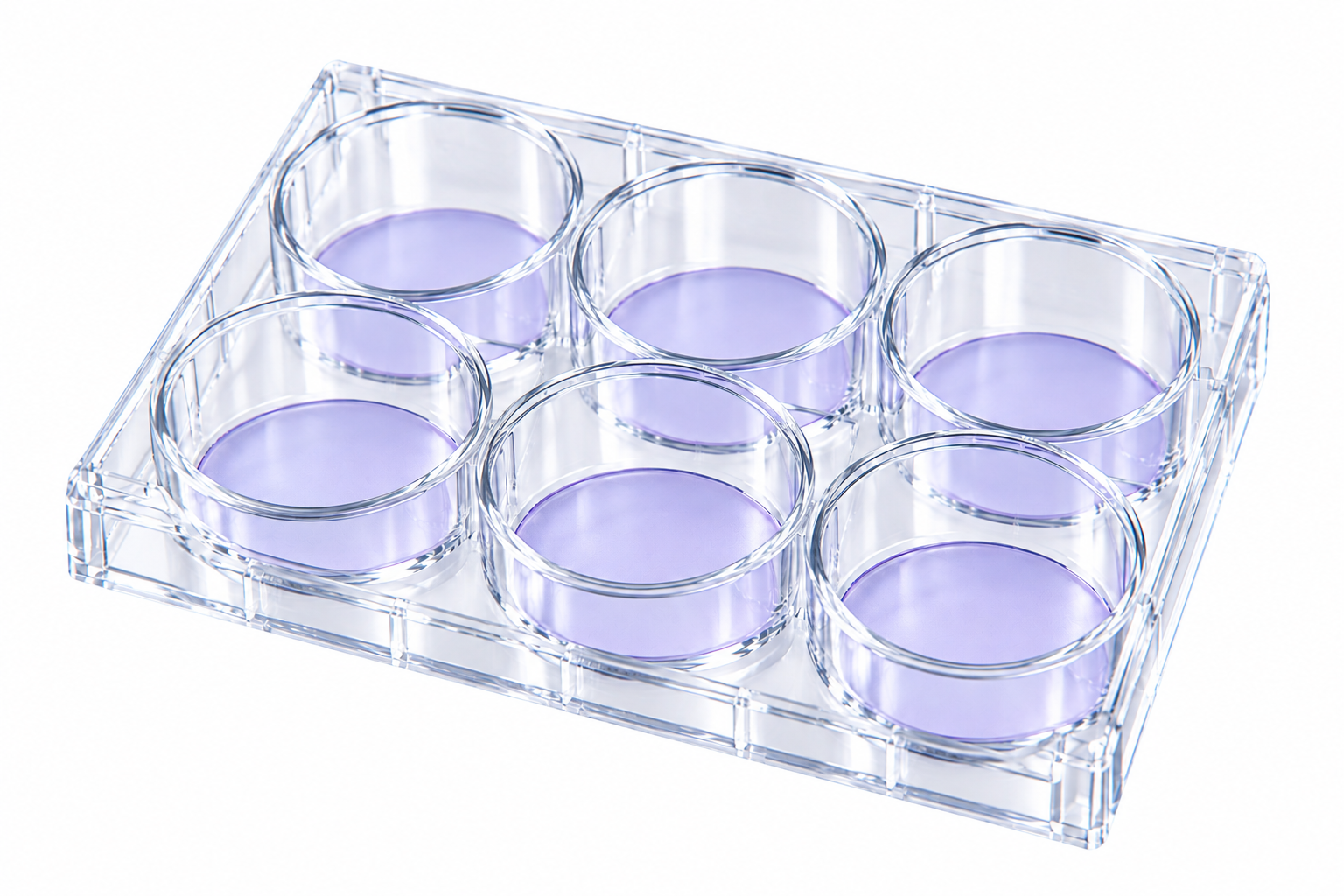
Guide scope
Research reading and evaluation guide
Start with the question
Cell attachment, a change of state, a cell count and a functional assay answer different questions. Read the biological model and experimental conditions alongside the headline.
Separate material and interface
Describe the mechanical substrate separately from the proteins presented to the cells. The foundational StemBond study is one example of why both matter when interpreting a comparison.
Identify what was measured
Look for the readout, control, time point and meaning of the replicates. A marker change is not automatically a demonstration of complete function, clinical benefit or improvement in every workflow.
Keep result and implication apart
The result is what was observed under the study’s conditions. The implication is what it may help a researcher investigate next. A useful explanation states both and makes the boundary visible.
Plan a useful first comparison
- What question would make the evaluation useful?
- Which cell model and baseline workflow are involved?
- What is the comparison surface?
- Which result would you measure, and when?
- Which material and interface variables need to stay distinct?
- What would remain uncertain after the experiment?
- Which preparation or compatibility questions need checking?
Bring those questions to a scientific discussion and use the current product instructions. Share only the non-confidential context needed to begin.