Study model
Mouse dermal fibroblasts and digit-tip research
The question
Why can one injury site support regeneration while another produces a scar? The study examines the wound environment, keeping tissue observations, culture experiments and interventions in animals distinct.
Start with the tissue
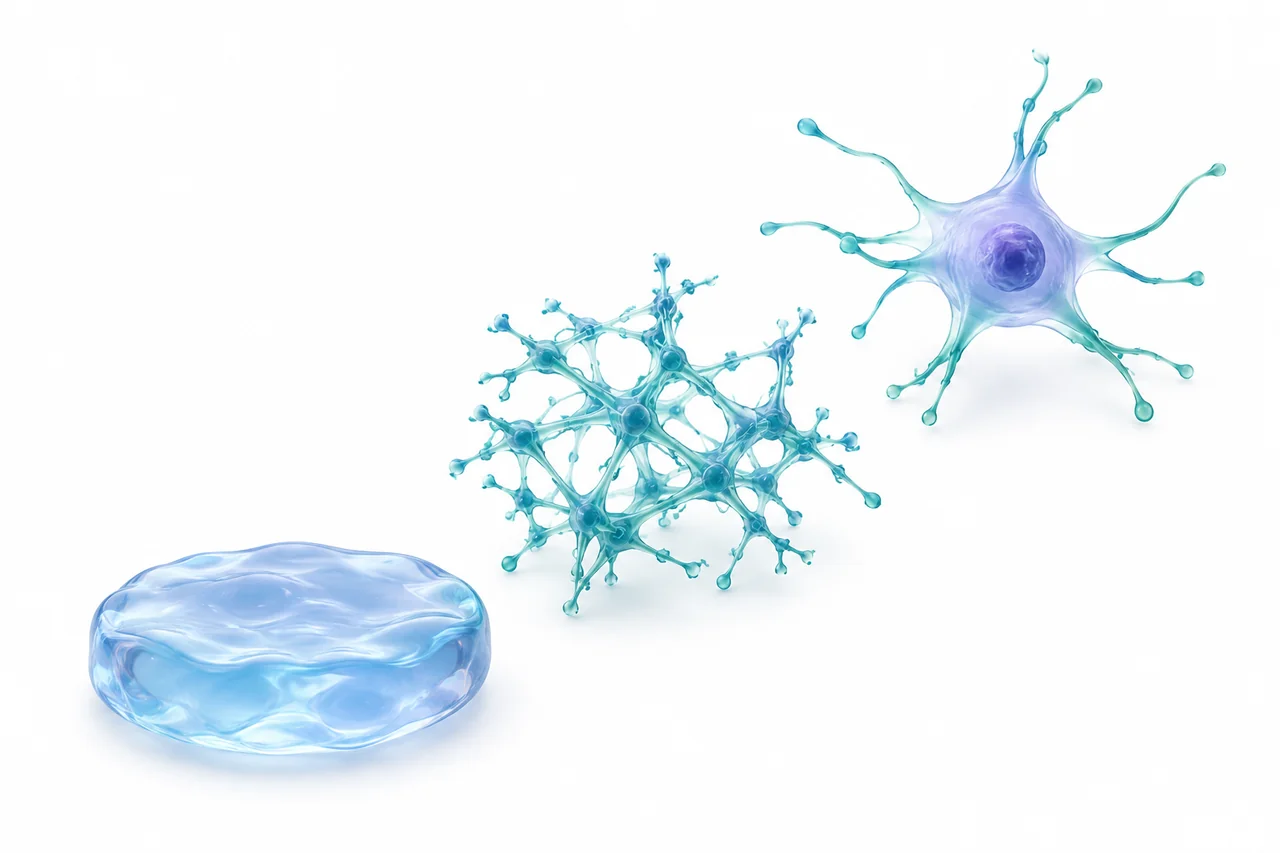
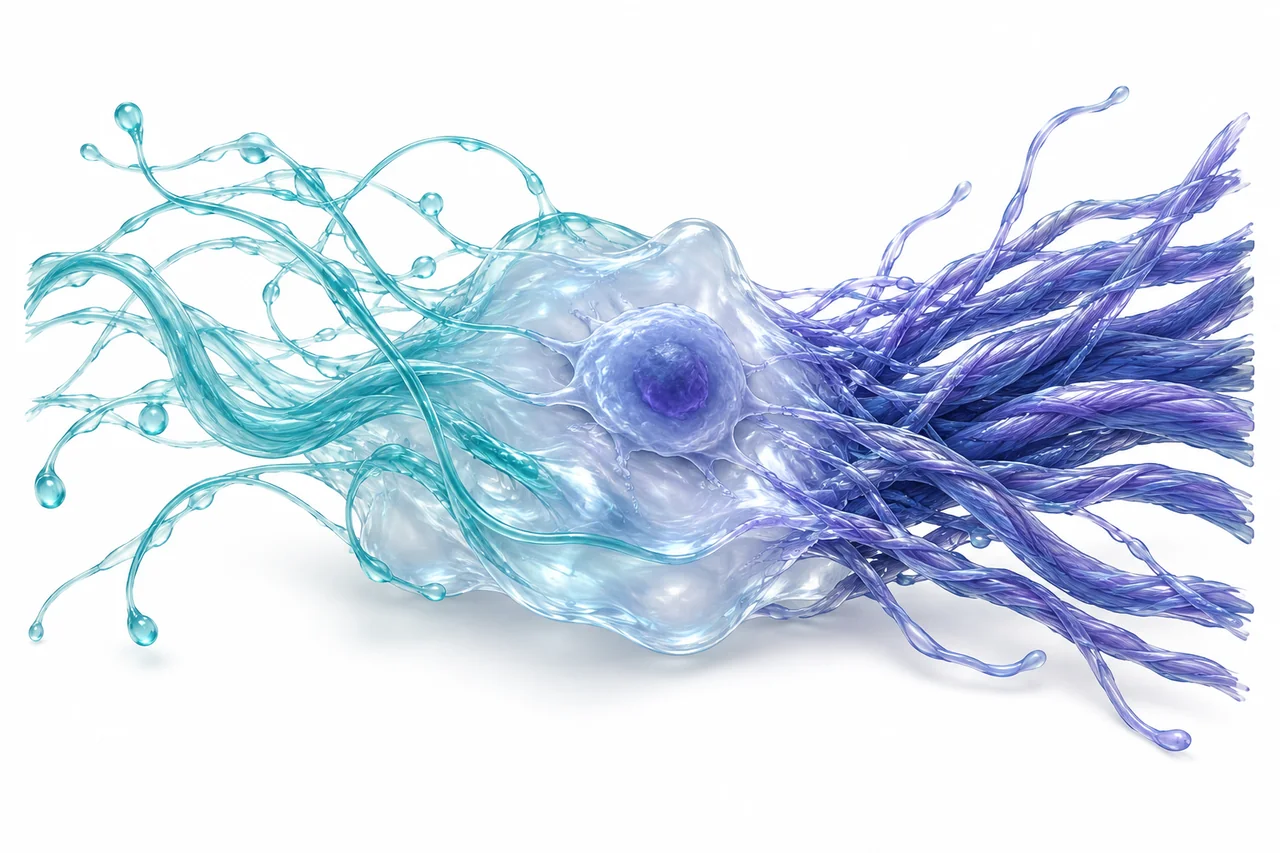
The authors found that nonregenerative regions of mouse digits were stiffer and collagen-rich, while regenerative regions were softer and enriched in hyaluronic acid. Reducing hyaluronic acid impaired regeneration and favoured fibrosis.
What the culture comparison contributed
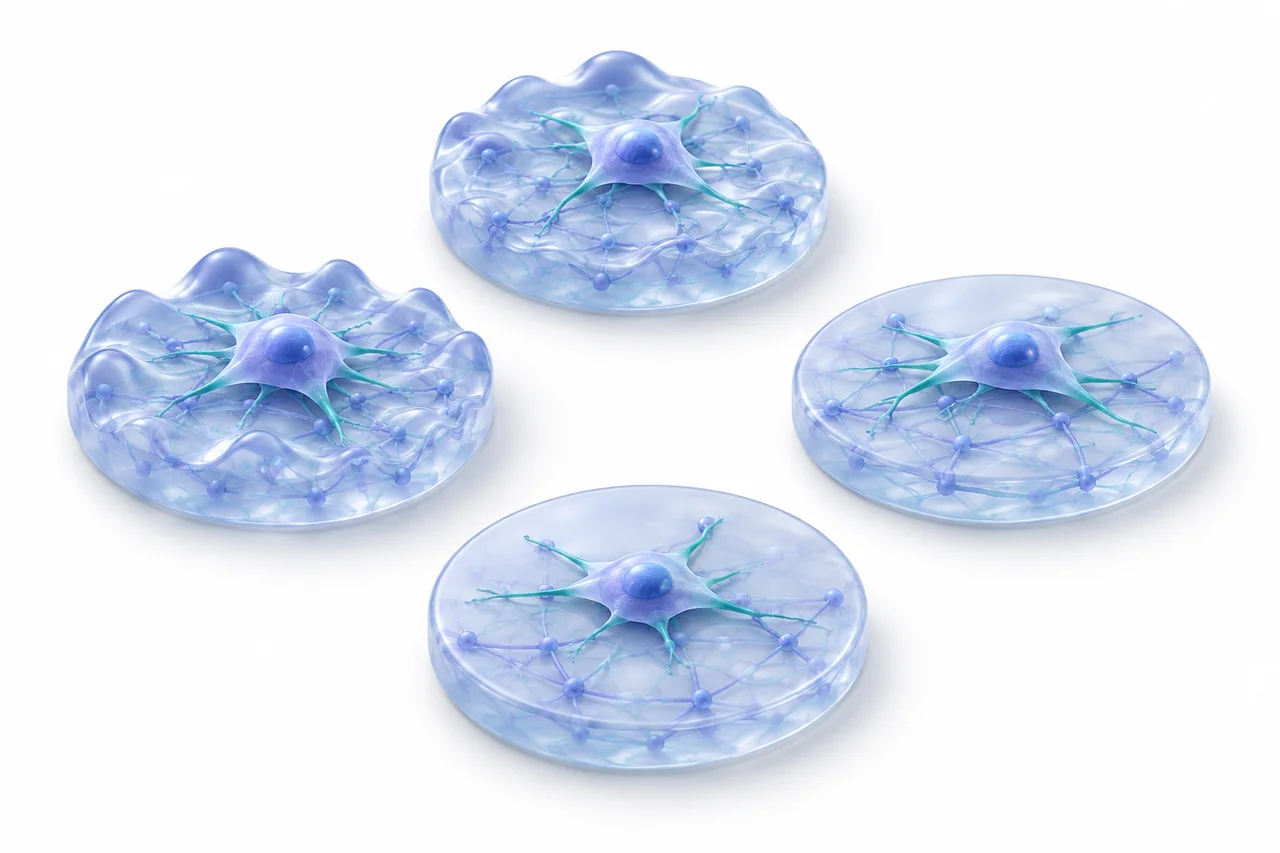
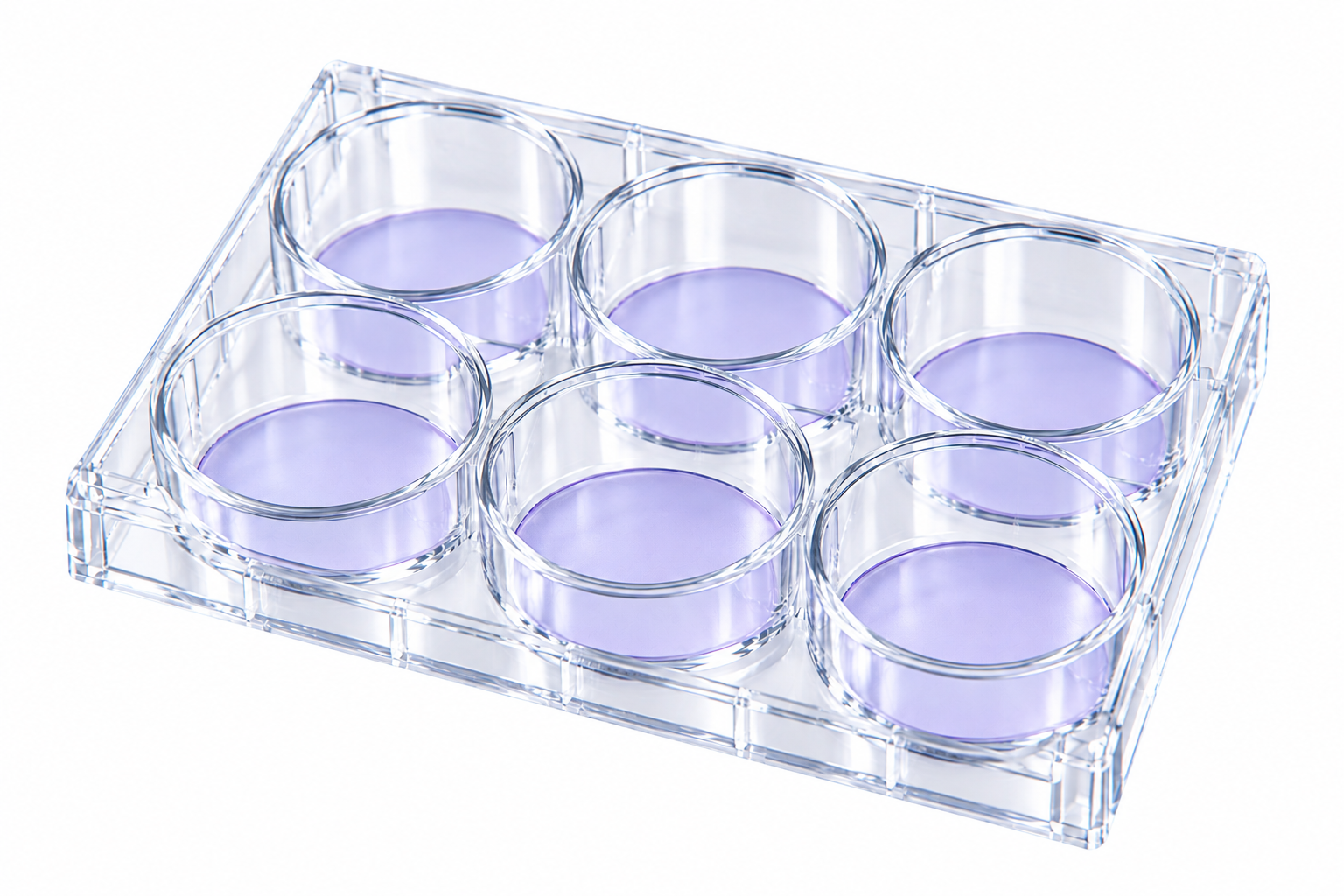
In the culture experiments, mouse dermal fibroblasts on soft StemBond research hydrogels showed stronger BMP-7 signalling than cells on stiff hydrogels. The researchers measured nuclear pSMAD1/5/8 and Id1 expression, with no baseline ECM differences detected. This separated a change in response to the soluble signal from a change in the starting matrix environment.
The source paper should determine the exact settings, conditions and readouts of any comparison. Historical experimental stiffnesses are not interchangeable with current commercial product options.
Return to the animal model
The authors report that stabilising hyaluronic acid with HAPLN1 after nonregenerative amputations changed the matrix environment, reduced scarring and enhanced bone repair. This intervention is a separate experimental step from the culture work.
Compare the wound environments.
Investigate selected conditions.
Test a separate repair strategy.
Why it matters for research
An evaluation could ask whether physical context changes the response in a wound-healing or stromal assay. Define the model, the current culture surface and the endpoint first.
That is a proposed research question, not a demonstrated anti-fibrotic effect of a commercial product. Enhanced bone repair should not be described as complete regeneration of every tissue.
Go to the source
Hyaluronic acid and tissue mechanics orchestrate mammalian digit tip regeneration
Mui et al. · Science · 2026