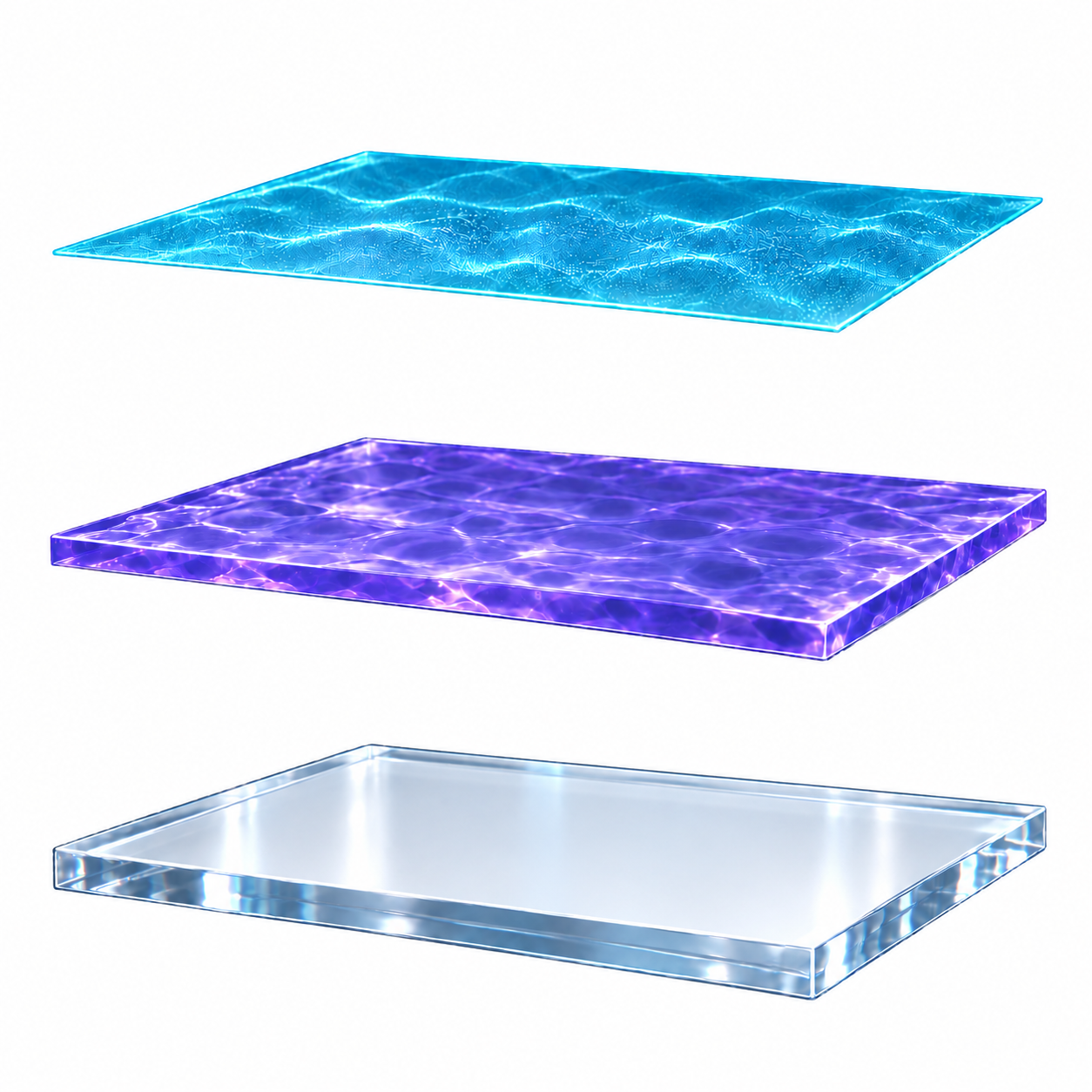
ChangeStiffness
Compare multiple mechanical settings.
Keep constantThe ECM coating
Use the same ECM type and attachment method.
How does stiffness affect your cells?
Compare stiffnesses using the same ECM coating protocol, cells, medium and readout.
 Early Access
SENCE™ / Engineered cell-culture surfaces
Hydrogel-coated plates and coverslips. Defined stiffness, with control over the ECM your cells encounter.
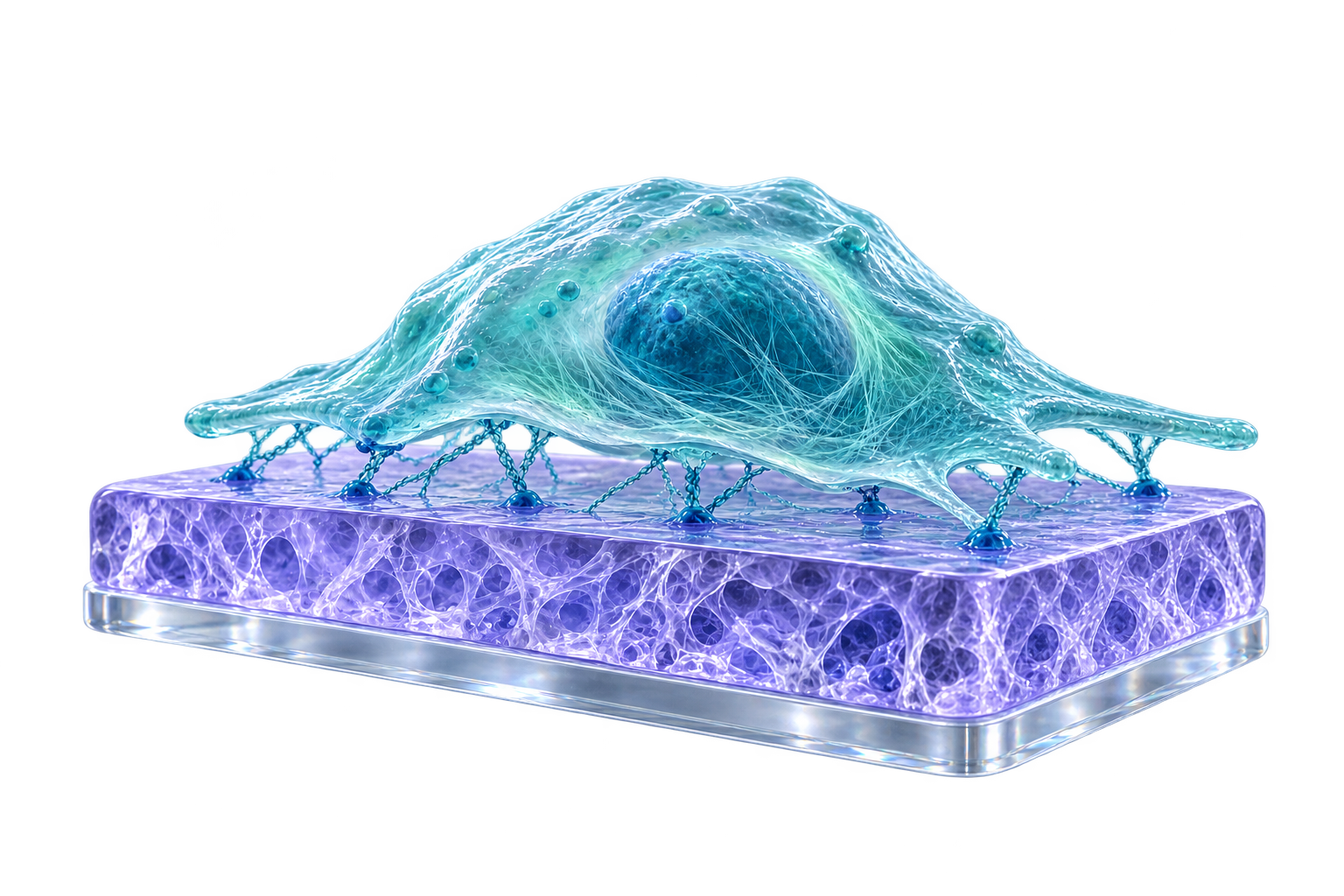
We supply the hydrogel and binding chemistry. You add your selected extracellular matrix (ECM), cells and medium.
Available through Early Access, with the knowledge and experience of our team.
A new set of experimental controls
They also encounter a mechanical environment and a matrix of proteins. SENCE™ brings those physical inputs into your experimental design.
Separate stiffness from ECM type and attachment. Then investigate how they work together.

Design a more revealing comparison
Compare multiple mechanical settings.
Use the same ECM type and attachment method.
Compare stiffnesses using the same ECM coating protocol, cells, medium and readout.
For example, compare different ECM protein types.
Use the same mechanical setting.
Change one ECM parameter at a time. When comparing protein types, keep the attachment method, coating protocol, cells, medium and readout consistent.
| Mechanical setting | ECM X | ECM Y |
|---|---|---|
| Stiffness A | A + X | A + Y |
| Stiffness B | B + X | B + Y |
Compare combinations to investigate an interaction that a single-variable experiment could miss.
What can that reveal? Start with a question about stem-cell identity.
One question. A measured result.
In a mouse embryonic stem-cell study, a soft physical environment helped preserve self-renewal when a usual soluble support signal was removed.
Labouesse et al. · Nature Communications · 2021
Mouse embryonic stem cells spent five days on fibronectin-coated soft and stiff research hydrogels or culture plastic, in serum without LIF, a soluble support signal.
All groups then entered the same colony-forming assay with soluble support restored.
Cells from soft hydrogels formed more alkaline-phosphatase-positive colonies than those from stiff gels or plastic.
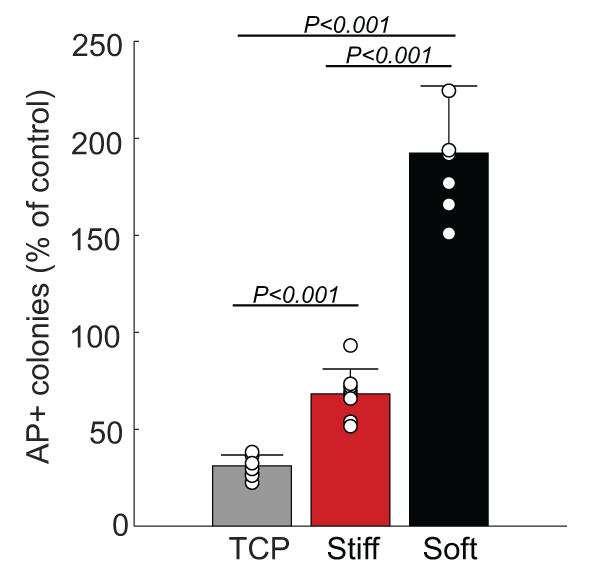
The researchers first established independent control of hydrogel stiffness and ECM tethering. The self-renewal experiment then compared soft and stiff hydrogels at the selected tethering condition, with culture plastic as an additional comparison. The finding does not establish the same outcome for every cell line or current SENCE™ configuration.
Bring the question into your lab
SENCE™ brings the hydrogel and ECM-binding chemistry into the plate or coverslip. You keep your biological question, chosen coating and culture workflow.
6-, 12-, 24- and 96-well plates.
Coverslips in packs of 12.
0.5 · 3.5 · 9 · 50 kPa
Current nominal stiffness range.
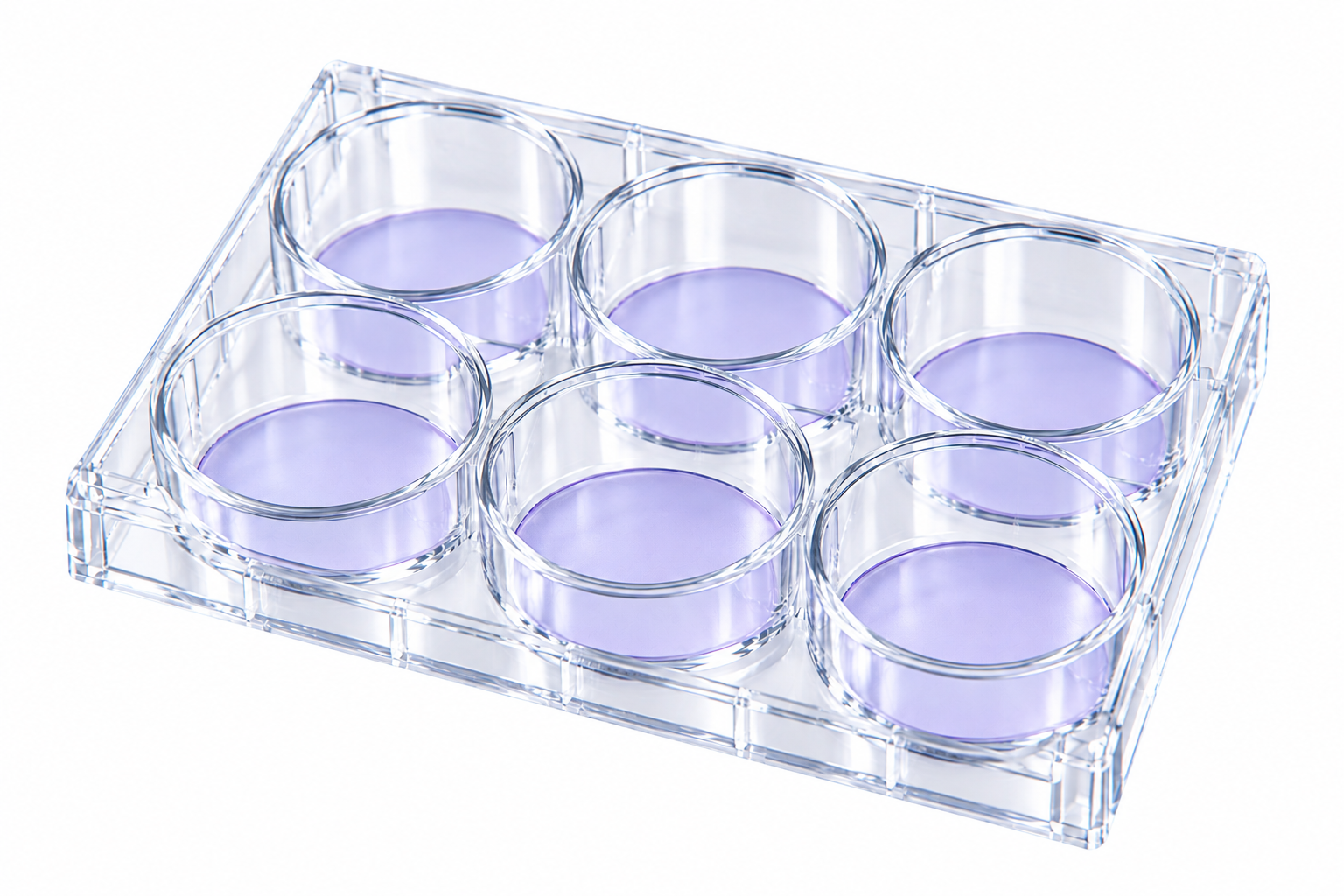
A prepared physical platform in your chosen format.
The coating and biological conditions for your assay.
Selected controls and a readout tied to your question.
The aqua representation is the matrix your cells encounter.
The supplied violet layer provides mechanics and anchors your chosen coating.
The clear base supports the gel. You add cells and medium above the ECM.
Your next experimental question
Start with the response you need to explain. Explore example evaluations and short films for your workflow.
Watch / 3:41
The SENCE™ Early Access Program
Access the expanded product range and work closely with StemBond to transfer our knowledge and practical experience into your research, before full market release.
Together, we can shape the controls, preparation and readouts for an evaluation in your cell model.


For investors